Learn about the Crucial Services Provided by a Professional Arborist to Ensure Tree Health
A professional arborist offers a range of services crucial for maintaining healthy trees and enhancing landscapes. Their expertise in tree pruning promotes growth and reduces risks. They also diagnose and manage tree diseases, making sure personalized treatments are in place - Florence Arborist. Additionally, arborists perform safe tree extractions and help with planting and transplanting. Their role is even more vital during emergencies such as storm damage. Knowing these services can greatly impact one’s approach to tree care
The Importance of Tree Pruning
Although many homeowners may overlook the importance of tree pruning, it serves a vital function in preserving the health and aesthetics of trees. Correct pruning helps trees develop a robust structure, taking away dead or sick branches that could pose risks. By judiciously pruning limbs, the tree can focus its energy on healthy growth, fostering superior air movement and sunlight penetration. Additionally, pruning can improve the look of the tree, shaping it for aesthetic appeal in residential landscapes.
Moreover, regular pruning can avoid possible dangers, such as falling branches during storms or high winds, which could harm property or cause personal injury. It also aids in the prevention of pest infestations and diseases by enhancing the tree's hardiness. Ultimately, hiring professional arborists for tree pruning guarantees that trees remain healthy, safe, and aesthetically appealing, greatly contributing to the overall beauty and value of the property.
Identifying and Treating Tree Diseases
Tree health can be greatly compromised by a range of diseases that may not always be instantly obvious. A professional arborist plays an essential role in diagnosing these conditions early, utilizing a combination of visual inspections and diagnostic tools. Symptoms such as leaves changing color, wilting, or unusual growth patterns often point to underlying wellness concerns. Arborists evaluate these signs to identify specific diseases, whether fungal, bacterial, or viral in nature.
Following the diagnosis, the professional designs a tailored management plan. Such a strategy might incorporate specific applications, such as bactericides or fungicides, and cultural practices that improve the tree's strength. Additionally, proper watering, mulching, and nutrition helps greatly enhance the vitality of the tree and resistance to diseases. Regular monitoring and further interventions are essential for effective management, securing the evidence long life and vitality of the trees. By addressing tree diseases proactively, arborists help maintain the beauty and ecological benefits of thriving trees.
Safe Tree Removal Practices
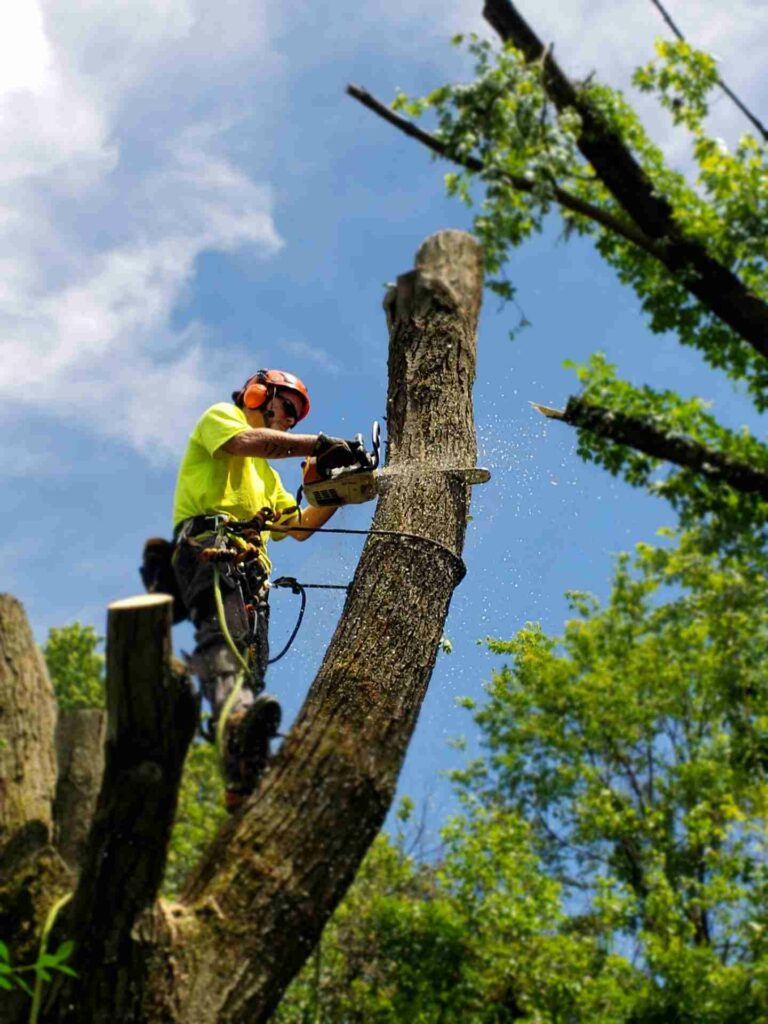
Proper tree felling methods are critical for securing the safety of the crew and limiting harm to adjacent areas. Qualified professionals utilize a detailed analysis of the tree's condition, its location, and the surrounding environment before beginning the felling process. They utilize specialized equipment, such as ropes and cutting tools, to guarantee precise cuts and manage the tree during its descent.
A thoughtful felling approach involves spotting possible dangers, such as power lines or nearby structures, which can affect the security of the job. Arborists often use a technique called "sectional dismantling," where the tree is cut down in manageable pieces, minimizing the danger from falling material.
Furthermore, they follow local regulations and guidelines to ensure adherence and environmental stewardship. Following the extraction, thorough clearing and removal of the remaining wood and brush, stump treatment as well, contribute to the overall safety and look of the landscape.
Planting and Transplanting Trees
Installing and relocating trees requires careful consideration of choosing the location and planting techniques to guarantee long-term health and successful establishment. The right location can greatly impact a tree's development, whereas good planting practices reduce trauma and encourage the tree to thrive. Professionals stress these considerations as critical for improving the health and lifespan of trees in various settings.
Choosing the Right Location
Finding the perfect spot for relocating or establishing trees is essential for their sustained health and success. Considerations including soil quality, sunlight exposure, and drainage must be carefully evaluated. Professional arborists examine the specific site conditions, ensuring that the planting location has enough food sources and support for the tree species. Additionally, the nearness to established constructions and other plants is vital to stop the fight for nutrients and avoid potential damage. Arborists also consider the tree’s mature size and root structure, guaranteeing enough area for development. Through a comprehensive site evaluation, these experts help clients reach educated conclusions that encourage strong, successful trees, ultimately enhancing the landscape’s beauty and environmental worth.
Proper Techniques for Installation
When the planting spot is meticulously reviewed and picked, the following action is applying the best tree installation practices. Preparing the planting hole correctly is crucial; it should be two times wider than the root mass and no deeper than the root system itself. The tree should be placed in the hole so that the crown of the root mass is even with the surrounding soil. Backfill with native soil, making sure to eliminate air gaps, and irrigate completely to encourage early root growth. Adding a layer of mulch near the trunk helps retain moisture and suppress weeds. Florence Arborist. If moving mature plants, it is crucial to limit damage to the roots and move the tree while it is inactive for the best chance of survival. Implementing these practices encourages strong vitality and long life
Emergency Response to Storm Damage

When major tempests hit, the resultant conditions may leave trees in perilous conditions, posing risks to property and safety. Professional arborists play a vital role in immediate action, evaluating storm-damaged trees to check how safe and healthy they are. Their expertise allows them to identify which trees can be salvaged and which pose imminent hazards that require extraction.
Equipped with specialized tools, they can carefully cut damaged boughs and haul away refuse, preventing subsequent injury to nearby locations. The experts also give useful recommendations on preventive measures, such as selecting resilient tree species for upcoming installations.
In addition to immediate response, arborists help homeowners understand the possible lasting consequences of the storm, giving counsel on how to repair and revive. By responding rapidly and capably, these experts do more than just secure homes but also aid in the recovery of the local environment following major weather events.
Tree Nutrition and Ground Care
After the devastation caused by storm damage, attention turns to the well-being of the trees that remain, underscoring the importance of nutritional support and earth maintenance. A qualified tree expert checks ground quality and tree vitality to determine precise nutrient requirements. Trees need vital elements, including nitrogen, phosphorus, and potassium, to recover and thrive after stress events.
Earth maintenance plays an essential role in how nutrients are accessed and root development. Arborists may recommend ground improvements, including organic matter, to boost soil structure and microbial activity. The correct pH balance are also evaluated, as they impact how nutrients are absorbed.
Incorporating mulching techniques can help the soil hold water and prevent weed growth, creating an ideal environment for trees to heal. With a detailed feeding regimen and using smart soil maintenance methods, arborists make certain trees regain strength, resilience, and overall health, which is critical for keeping the environment stable in the wake of major environmental events.
Questions and Answers
When Should My Trees Be Checked?
Trees should be evaluated once a year for peak health. However, more regular inspections may be necessary for younger trees, after severe weather events, or if they show signs of stress or sickness.
Which Credentials Should I Seek in an Arborist?
When hiring a tree specialist, one should look for credentials such as ISA (International Society of Arboriculture) accreditation, proven track record, insurance coverage, and a strong reputation locally, ensuring expertise in tree care and safety practices.
Do Arborists Utilize Special Equipment for Tree Care?
Arborists employ a range of unique equipment for tree care, like chainsaws, pruning shears, climbing gear, and stump grinders. Each tool serves a specific purpose, facilitating good care, pruning, and removal of trees while promoting overall health and safety.
In What Ways Does the Weather Impact Tree Health?
The state of the weather strongly influences tree health; heavy rainfall may result in root rot, while dry spells put strain on trees. Temperature extremes can lead to the destruction of leaves and branches, consequently impacting growth, sturdiness, and overall vigor of the trees.
Am I able to care for my trees personally, or Should I Hire a Professional?
Even though a few fundamental tree care duties can be done by people themselves, it's often wise to employ a professional - Florence Arborist. Professionals have the necessary tools and specific knowledge, to make sure the trees receive the right maintenance needed for peak growth and vitality